Subscriptions That Start Free and End Expensive: How to Stop the Bleed
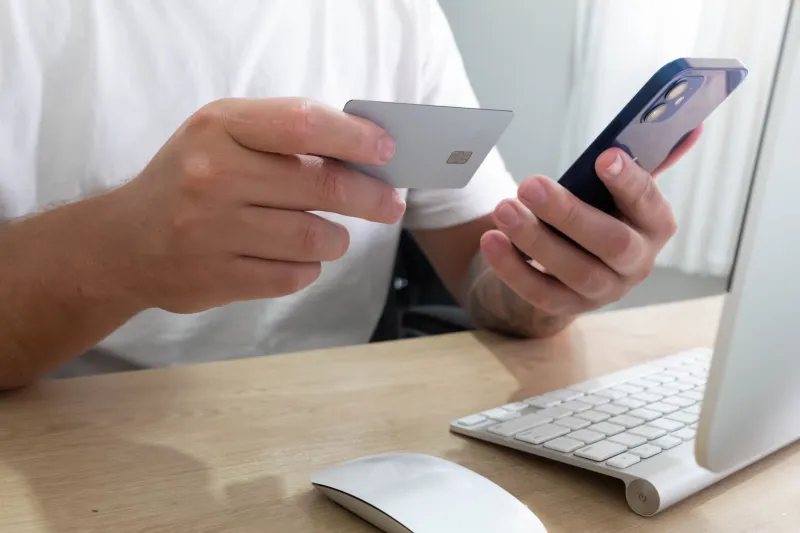
Let's be honest — we've all done it. You spot a streaming service, a meal kit, a meditation app, or a cloud storage plan offering 30 days free, and you think, I'll just cancel before it charges me. Then life happens. The reminder gets buried under a hundred other emails, and suddenly you're staring at a $14.99 charge you completely forgot about. Multiply that by a few forgotten subscriptions, and you could be hemorrhaging $200, $300, even $500 a year on services you barely use.
This isn't an accident. It's a business model.
The Psychology Behind the Free Trial
Subscription companies — from the biggest names in streaming to niche software platforms — have spent millions studying how people behave after they sign up for free trials. The data is pretty damning for consumers. According to research from consumer behavior analysts, a significant portion of free trial users never actively choose to convert to a paid plan. They simply forget to cancel, and the company counts on exactly that.
This strategy has a name in the industry: passive conversion. The idea is that inertia is a more powerful sales tool than any advertisement. Once your credit card is on file and the service is running in the background of your life, the burden shifts to you to take action. And most people don't.
Some services make cancellation deliberately inconvenient — hiding the cancel button deep in account settings, requiring a phone call during limited hours, or offering so many "pause" and "downgrade" options that you give up before actually canceling.
The Freemium Twist That Catches People Off Guard
Free trials and freemium models aren't the same thing, but they're often confused — and both can cost you.
A free trial gives you full access for a limited time before billing starts automatically. A freemium model offers a permanently free tier with limited features, hoping you'll eventually upgrade. The danger with freemium? Many apps push you toward paid features so aggressively — locking your data, limiting storage, or throttling performance — that upgrading feels like the only option. Before you know it, you're paying $9.99 a month for an app you downloaded because it was "free."
Some of the most common categories where this plays out include:
- Cloud storage (think Google One, Dropbox, iCloud)
- Fitness and wellness apps (Calm, Noom, MyFitnessPal Premium)
- Productivity tools (Grammarly, Notion, Adobe Express)
- Entertainment platforms (Hulu, Paramount+, Apple TV+)
- Grocery and meal kit services (HelloFresh, Instacart+, Walmart+)
The Hidden Subscription Cost Checklist
Before you enter your payment info for any free trial, run through this quick checklist:
1. When does the trial actually end? Some "30-day" trials start the clock from the moment you create an account, not when you first use the service. Mark the end date in your calendar the second you sign up.
2. What's the post-trial price — and does it auto-escalate? Some services offer an introductory rate that jumps significantly after the first year. Read the fine print for phrases like "then $X/month after promotional period."
3. Is cancellation self-serve or do you have to call someone? If canceling requires a phone call, set a reminder at least 5 days before the trial ends to give yourself time to navigate hold queues.
4. Are there multiple tiers that could trap you mid-cancel? Some platforms will offer a cheaper plan when you try to cancel, making it tempting to "just downgrade." Know your exit strategy before you start.
5. Is there a free alternative that does the same thing? Before upgrading anything, spend five minutes searching for a free competitor. Chances are good one exists.
Tools That Actually Help You Stay in Control
You don't have to manage this alone. A few apps have made it their mission to track your subscriptions so you don't have to:
- Rocket Money (formerly Truebill) — Connects to your bank and flags recurring charges. It'll even negotiate cancellations on your behalf for some services.
- Privacy.com — Lets you create virtual credit card numbers with spending limits. Set one to $0 after the trial period, and the subscription simply can't charge you.
- Trim — Similar to Rocket Money, with a focus on identifying and canceling unwanted subscriptions automatically.
- Your credit card's app — Many major card issuers (Capital One, Chase, Citi) now offer subscription tracking built right into their mobile apps. Check yours.
What to Do Right Now
If you're reading this and feeling a little uneasy about what might be quietly charging you each month, here's a quick action plan:
- Pull up your last two bank or credit card statements and highlight every recurring charge.
- List every subscription — even the ones you think you remember.
- Compare the two lists. Anything on the statement that's not on your list is worth investigating immediately.
- Cancel anything you haven't actively used in the past 30 days. You can always re-subscribe if you miss it — and often, companies will offer you a discount to come back.
- Set up a virtual card for any future free trials so you're never caught off guard again.
The Bottom Line
The free trial isn't free — it's a calculated bet that you'll forget to cancel. The companies offering them aren't evil, but they are strategic. At ShopFreeda, we're big believers in getting real value without the regret, and that means being smarter than the systems designed to quietly drain your wallet. A little friction on your end — a calendar reminder, a virtual card, a monthly subscription audit — can save you hundreds of dollars a year that's better spent on deals you actually want.